
What is Knee Osteoarthritis?
Knee osteoarthritis is a common joint problem. It happens when the cartilage in your knee wears down over time. Because of this, the bones in your knee may rub together. This can cause pain, swelling, and stiffness. Many people develop knee osteoarthritis as they get older. However, younger people can get it too, especially after an injury.
Symptoms and Impact on Daily Life
Often, knee osteoarthritis starts slowly. At first, you may notice mild pain after activity. Over time, the pain can get worse. Some common symptoms include:
As symptoms get worse, daily tasks can become harder. For example, walking, bending, or even sleeping may be affected. Because of this, many people look for ways to manage pain and stay active.
Causes and Risk Factors
Knee osteoarthritis can develop for several reasons. Some common causes and risk factors include:
While you cannot change some risk factors, you can take steps to lower your risk. For instance, keeping a healthy weight and staying active can help protect your knees.
Diagnosis of Knee Osteoarthritis
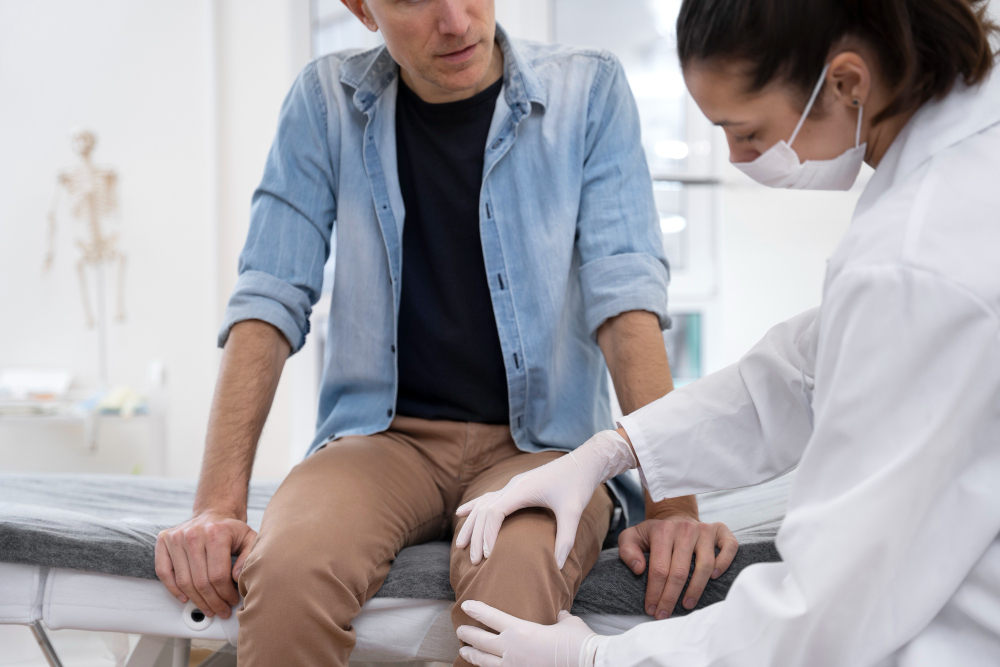
If you have knee pain, your doctor will ask about your symptoms and medical history. Next, they will examine your knee for swelling, tenderness, and movement. Sometimes, X-rays or MRI scans are used to check for joint damage. Blood tests may also help rule out other causes of knee pain. Early diagnosis is important, as it allows you to start treatment sooner.
Non-Surgical Pain Management Options
Many people with knee osteoarthritis can manage pain without surgery. There are several non-surgical pain management options available. These include:
Physical Therapy
Physical therapy can help strengthen the muscles around your knee. Strong muscles support the joint and reduce pain. Your therapist may teach you gentle exercises and stretches. As a result, you may move better and feel less stiff.
Weight Management
Extra weight puts more stress on your knees. Even losing a small amount of weight can help reduce pain. For example, losing just 10 pounds can take 30 to 60 pounds of pressure off your knees with each step.
Medications
Several medicines can help manage knee osteoarthritis pain. These include:
Always talk to your doctor before starting any new medicine.
Assistive Devices
Sometimes, using a cane or knee brace can help. These devices take pressure off your knee and make walking easier. Your doctor or therapist can suggest the best device for you.
Injections
In some cases, doctors may recommend injections. These may include:
Although injections do not cure osteoarthritis, they can provide short-term relief.
Lifestyle Modifications
Simple changes can make a big difference. For instance, choosing low-impact activities like swimming or cycling can help. Taking breaks, using proper footwear, and avoiding heavy lifting also protect your knees.
Alternative Therapies
Some people find relief with alternative therapies. These may include:
While research is ongoing, some people feel these options help manage their pain.
Tips for Living with Knee Osteoarthritis
Living with knee osteoarthritis can be challenging. However, there are ways to make daily life easier:
Remember, small changes can add up and help you feel better each day.
Prevention Strategies
Although you cannot prevent all cases of knee osteoarthritis, you can lower your risk. Here are some helpful tips:
By taking care of your knees now, you may prevent problems later.
Conclusion
Knee osteoarthritis can cause pain and limit your activities. But, many non-surgical pain management options are available. With the right care, you can stay active and improve your quality of life. Consult an orthopedic specialist at Advance Pain Clinic for personalized knee osteoarthritis management.