
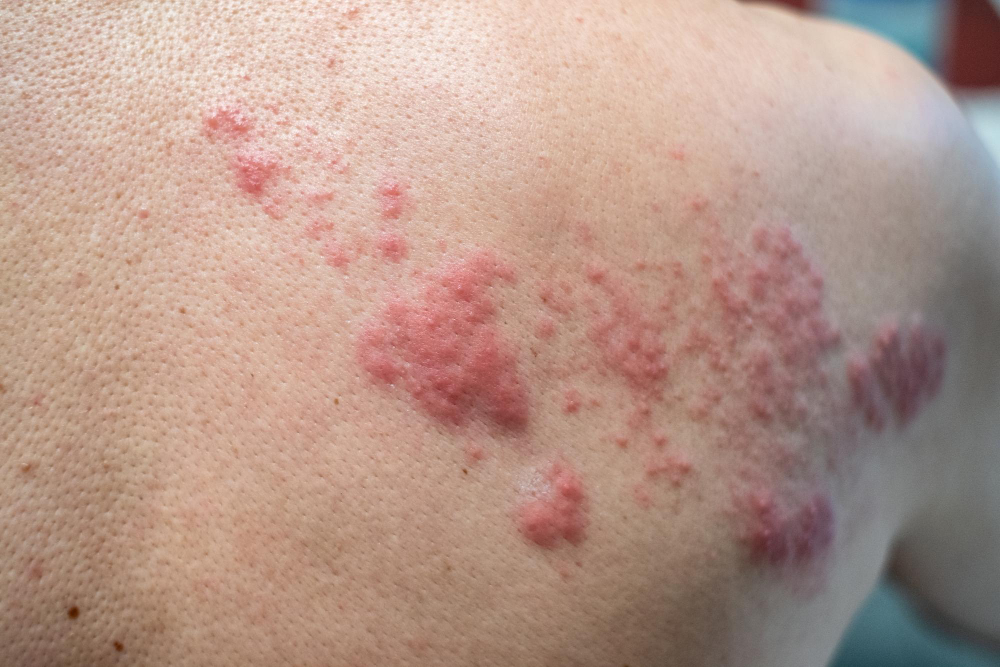
What Is Shingles and Why Does Nerve Pain Persist?
Shingles is a painful rash caused by the same virus that leads to chickenpox. After you recover from chickenpox, the virus stays in your body. Sometimes, it becomes active again later in life. This causes shingles. For many people, the rash and blisters heal within weeks. However, some people continue to feel pain long after the rash is gone. This is called postherpetic neuralgia. It is a common part of life after shingles. According to the CDC, about 10-18% of people with shingles develop this nerve pain.
Symptoms and Impact of Post-Shingles Burning Nerve Pain
After shingles, burning nerve pain can linger for months or even years. This pain often feels sharp, stabbing, or like a burning sensation. Sometimes, even a light touch can hurt. In addition, you may notice:
Because this pain can be severe, it may affect your mood and quality of life. For example, some people feel anxious or sad because of ongoing discomfort.
How Intercostal Nerve Blocks Work for Pain Relief
Intercostal nerve blocks are a treatment option for burning nerve pain after shingles. These nerves run between your ribs. During the procedure, a doctor injects medicine near the affected nerve. This medicine usually includes a local anesthetic and sometimes a steroid. As a result, the nerve stops sending pain signals to your brain. Relief can last for days or even weeks. For many, this break from pain helps them move and sleep better.
What Is Pulsed Radiofrequency (RF) Treatment and How Does It Help?
Pulsed Radiofrequency (RF) treatment is another way to manage nerve pain after shingles. In this procedure, a doctor uses a special needle to deliver gentle electrical pulses to the nerve. Unlike traditional RF, pulsed RF does not destroy the nerve. Instead, it changes how the nerve sends pain signals. This can reduce burning nerve pain for several months. Many people find this treatment helpful when other options do not work.
Comparison of Intercostal and Pulsed RF Treatments: Benefits, Risks, and Effectiveness
Both intercostal nerve blocks and pulsed RF treatment can help with burning nerve pain after shingles. However, they work in different ways. Here is a simple comparison:
Both treatments are usually safe when done by a trained doctor. Still, not everyone responds the same way. Your doctor will help you choose the best option based on your needs.
Lifestyle Tips and Self-Care for Managing Nerve Pain After Shingles
While medical treatments help, self-care is also important. Here are some tips to manage burning nerve pain after shingles:
Additionally, staying active and connected with others can boost your mood and help you cope.
Prevention Strategies and When to Seek Medical Help
To lower your risk of shingles and nerve pain, consider the shingles vaccine if you are over 50. The CDC recommends this for most adults in this age group. If you have burning nerve pain after shingles, do not ignore it. Seek medical help if:
Early treatment can prevent long-term problems and improve your quality of life.
Conclusion: Take Control of Life After Shingles
Living with burning nerve pain after shingles can be challenging, but treatments like intercostal nerve blocks and pulsed RF offer hope. With the right care and support, you can break the cycle of pain. Consult Dr. Mohd Sohel Anjum at Advance Pain Clinic for personalized advice on managing nerve pain after shingles.